‘I’m going to die, not pass away’
Dying Matters Awareness Week 2024

The focus for this year’s Hospice UK Dying Matters Awareness Week (6-12 May) is how we talk about death and dying. Senior palliative care nurse Cathryn Goodchild, End of Life Care Lead Educator at St Luke’s, asks why people shy away from the “D” words and explains why correct language matters.
The terms “passed away” and “passing” are increasingly heard and seen, not only in daily conversation, but in broadcast news reports, TV announcements and discussions, as well as in newspapers, online social media and tribute pages.
As a passionate advocate for using the correct words when talking about death and dying, I’m interested in how and why these euphemisms are starting to dominate our everyday language.

At St Luke’s, our ethos is to always be thoughtful and compassionate, but also open and clear when talking about death with the people we are looking after and their families.
As health professionals and end of life specialists, we can’t shy away from difficult conversations or words that are accurate and honest. When we say that someone is dying or has died, we remove ambiguity, allowing everyone to understand what is being said and to begin processing what it means for them.
The use of “passing” or “passed away” is not new. Apparently, it can be traced back to the 15th century England when it was coined to describe the physical departing of a dead person’s soul, which was thought to happen after the funeral ritual had taken place.
I fully respect that those words still have a spiritual or religious connotation for many people today, but we should never assume that is the case. Saying dying, died and death is both universal and inclusive.

Nevertheless, as a society we seem to be struggling with the “D” words, even though death is a natural part of the cycle of life and is going to happen to us all. We talk endlessly and joyfully about birth and babies being born, with few euphemisms deemed necessary, but there’s a growing taboo around the mention of death and dying, perhaps because it can stir us up emotionally or we’re worried about upsetting someone.
If death and dying are seen as negative words that mustn’t be spoken or written, it builds on people’s fears and discourages the kind of meaningful and timely communication that can be so helpful for both our patients and their families and friends.
In all my years working in palliative care I have never told someone that their loved one is “passing away” or has “passed”. The fact that someone is dying or has died isn’t made any less upsetting by cushioning the message in cloudier and sometimes confusing terminology.
Talking with colleagues about their experiences, I’ve never heard of a patient or family member being offended by our nursing teams using the correct terms. It’s how we deliver them – with kindness – that is the most important thing.

In our end-of-life teaching modules, for outside agencies as well as St Luke’s own teams, we tell our students that it’s OK to use the proper words. The worst is already happening – nothing worse is going to happen because we use direct language.
If we rely on vaguer words, are we stepping back from honesty? What is the impact of these “gentler” euphemisms? Are we really softening the blow, or is there potential for misunderstanding or confusion?
The Covid pandemic seems to have intensified the taboo. So many conversations were happening that were not face-to-face and we were constantly hearing about people dying in pain, funerals that families weren’t allowed to attend. As a nation we were suffering a collective trauma. Using “gentler” language may have offered an element of comfort and the suggestion of a more peaceful death.
It’s interesting to also note a change creeping into the terminology used by some professional broadcast and media sources that used to adhere to strict guidelines when talking or writing about death.
The Guardian Style Guide, considered the standard for a swathe of newspapers and online publication across the UK, states: “Die is what people do in Guardian articles (people have not “passed away”, “shuffled off this mortal coil” or any other euphemism)”. Yet, with the growing change in common parlance, is it only a matter of time before we have “passing away”, rather than, “death” notices, for example?
I can appreciate that people might not want to think or talk about their own death or the death of someone they care about. But that reluctance ultimately pushes the subject further into the shadows when what we need is more openness, discussion, compassion and understanding, and we can all start by losing our fear of those “D” words.
 https://www.stlukes-hospice.org.uk/wp-content/uploads/2026/03/Midnight-Walk-2026-Blog-Header.jpg
773
1030
Gabby Nott
https://www.stlukes-hospice.org.uk/wp-content/uploads/2022/12/st-lukes-hospice-plymouth.svg
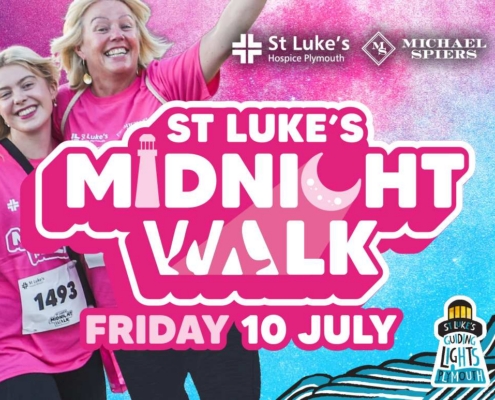
Gabby Nott2026-04-01 10:00:162026-03-31 15:07:29BLOG: Shine a light on hospice care at St Luke’s Midnight Walk
https://www.stlukes-hospice.org.uk/wp-content/uploads/2026/03/Midnight-Walk-2026-Blog-Header.jpg
773
1030
Gabby Nott
https://www.stlukes-hospice.org.uk/wp-content/uploads/2022/12/st-lukes-hospice-plymouth.svg
Gabby Nott2026-04-01 10:00:162026-03-31 15:07:29BLOG: Shine a light on hospice care at St Luke’s Midnight Walk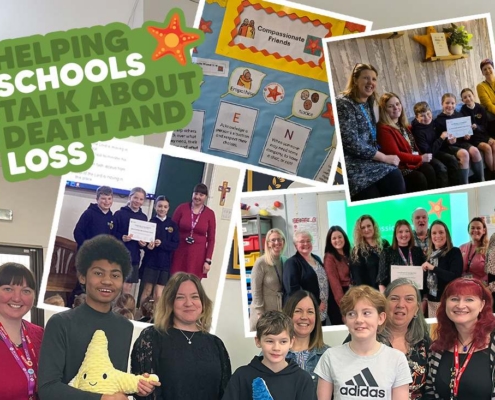 https://www.stlukes-hospice.org.uk/wp-content/uploads/2026/03/Compassionate_Schools-Blog-Header.jpg
733
1030
Gabby Nott
https://www.stlukes-hospice.org.uk/wp-content/uploads/2022/12/st-lukes-hospice-plymouth.svg
Gabby Nott2026-03-29 15:52:422026-03-26 22:06:19BLOG: Hospice’s pioneering programme helps schools talk about death
https://www.stlukes-hospice.org.uk/wp-content/uploads/2026/03/Compassionate_Schools-Blog-Header.jpg
733
1030
Gabby Nott
https://www.stlukes-hospice.org.uk/wp-content/uploads/2022/12/st-lukes-hospice-plymouth.svg
Gabby Nott2026-03-29 15:52:422026-03-26 22:06:19BLOG: Hospice’s pioneering programme helps schools talk about death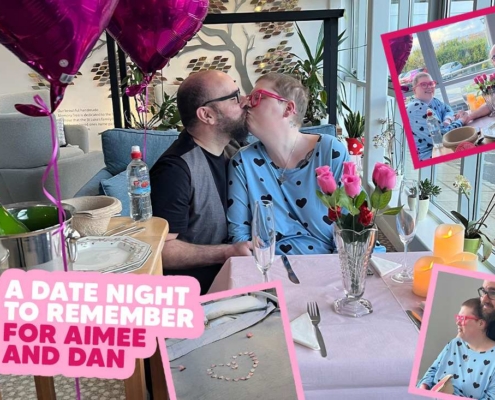 https://www.stlukes-hospice.org.uk/wp-content/uploads/2026/03/Aimee_Dan-Blog-Header.jpg
733
1030
Gabby Nott
https://www.stlukes-hospice.org.uk/wp-content/uploads/2022/12/st-lukes-hospice-plymouth.svg
Gabby Nott2026-03-27 12:08:262026-03-26 21:52:28BLOG: A date night to remember for Aimee and Dan at St Luke’s
https://www.stlukes-hospice.org.uk/wp-content/uploads/2026/03/Aimee_Dan-Blog-Header.jpg
733
1030
Gabby Nott
https://www.stlukes-hospice.org.uk/wp-content/uploads/2022/12/st-lukes-hospice-plymouth.svg
Gabby Nott2026-03-27 12:08:262026-03-26 21:52:28BLOG: A date night to remember for Aimee and Dan at St Luke’s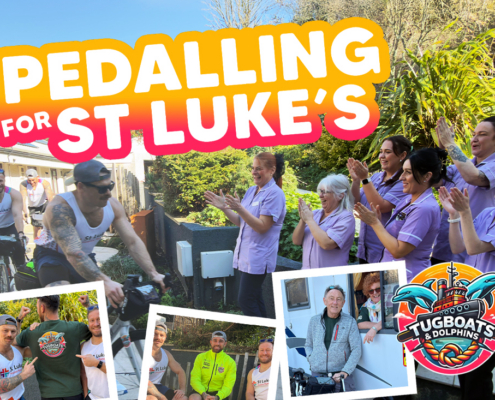 https://www.stlukes-hospice.org.uk/wp-content/uploads/2026/03/Blog-Tugboats-Dolphins-Cycle.jpg
733
1030
Gabby Nott
https://www.stlukes-hospice.org.uk/wp-content/uploads/2022/12/st-lukes-hospice-plymouth.svg
Gabby Nott2026-03-22 12:59:242026-03-23 12:10:58BLOG: Pedalling for St Luke’s: Tugboats and Dolphins take on a 1,200 mile challenge
https://www.stlukes-hospice.org.uk/wp-content/uploads/2026/03/Blog-Tugboats-Dolphins-Cycle.jpg
733
1030
Gabby Nott
https://www.stlukes-hospice.org.uk/wp-content/uploads/2022/12/st-lukes-hospice-plymouth.svg
Gabby Nott2026-03-22 12:59:242026-03-23 12:10:58BLOG: Pedalling for St Luke’s: Tugboats and Dolphins take on a 1,200 mile challenge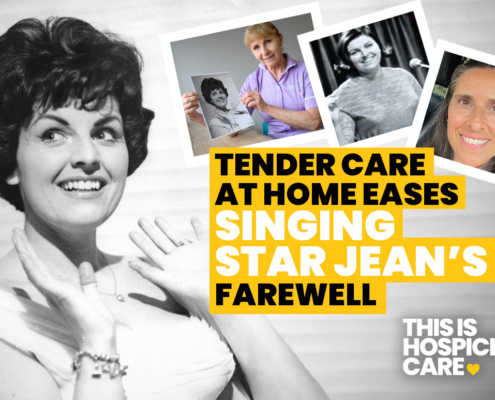 https://www.stlukes-hospice.org.uk/wp-content/uploads/2026/03/Jean-Case-Study-March-2026-Blog-Header.jpg
773
1030
Gabby Nott
https://www.stlukes-hospice.org.uk/wp-content/uploads/2022/12/st-lukes-hospice-plymouth.svg
Gabby Nott2026-03-06 14:47:032026-03-09 22:15:44BLOG: Tender care at home eases singing star Jean’s farewell
https://www.stlukes-hospice.org.uk/wp-content/uploads/2026/03/Jean-Case-Study-March-2026-Blog-Header.jpg
773
1030
Gabby Nott
https://www.stlukes-hospice.org.uk/wp-content/uploads/2022/12/st-lukes-hospice-plymouth.svg
Gabby Nott2026-03-06 14:47:032026-03-09 22:15:44BLOG: Tender care at home eases singing star Jean’s farewell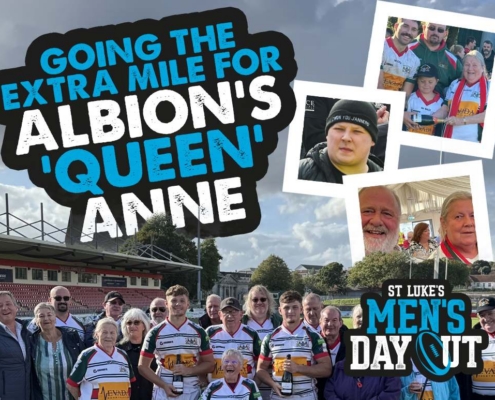 https://www.stlukes-hospice.org.uk/wp-content/uploads/2026/03/MDO-Sam-Blog-4-3-26.jpg
773
1030
Gabby Nott
https://www.stlukes-hospice.org.uk/wp-content/uploads/2022/12/st-lukes-hospice-plymouth.svg
Gabby Nott2026-03-06 14:44:162026-03-09 11:34:00BLOG: Going the extra mile for Albion’s ‘Queen’ Anne: Sam’s tribute at Men’s Day Out
https://www.stlukes-hospice.org.uk/wp-content/uploads/2026/03/MDO-Sam-Blog-4-3-26.jpg
773
1030
Gabby Nott
https://www.stlukes-hospice.org.uk/wp-content/uploads/2022/12/st-lukes-hospice-plymouth.svg
Gabby Nott2026-03-06 14:44:162026-03-09 11:34:00BLOG: Going the extra mile for Albion’s ‘Queen’ Anne: Sam’s tribute at Men’s Day Out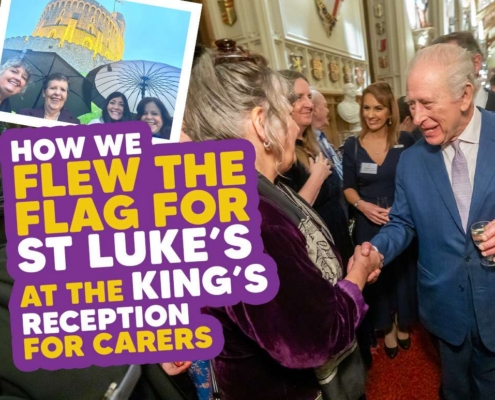 https://www.stlukes-hospice.org.uk/wp-content/uploads/2026/02/Windsor-Visit-Blog.jpg
773
1030
Gabby Nott
https://www.stlukes-hospice.org.uk/wp-content/uploads/2022/12/st-lukes-hospice-plymouth.svg
Gabby Nott2026-03-01 10:46:482026-03-09 22:21:12BLOG: By Royal invitation…How we flew the flag for St Luke’s at the King’s reception for carers
https://www.stlukes-hospice.org.uk/wp-content/uploads/2026/02/Windsor-Visit-Blog.jpg
773
1030
Gabby Nott
https://www.stlukes-hospice.org.uk/wp-content/uploads/2022/12/st-lukes-hospice-plymouth.svg
Gabby Nott2026-03-01 10:46:482026-03-09 22:21:12BLOG: By Royal invitation…How we flew the flag for St Luke’s at the King’s reception for carers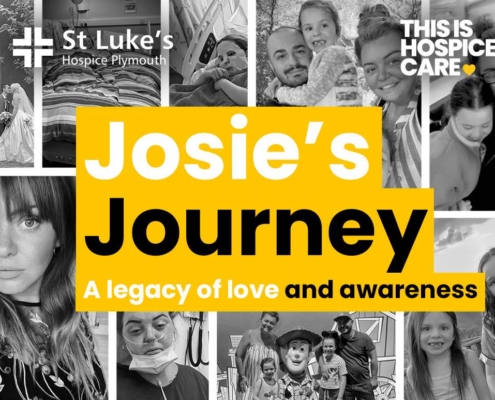 https://www.stlukes-hospice.org.uk/wp-content/uploads/2026/02/Josie-Blog-Header.jpg
773
1030
Gabby Nott
https://www.stlukes-hospice.org.uk/wp-content/uploads/2022/12/st-lukes-hospice-plymouth.svg
Gabby Nott2026-02-23 18:55:442026-03-09 22:21:41BLOG: Josie’s journey: a legacy of love and awareness
https://www.stlukes-hospice.org.uk/wp-content/uploads/2026/02/Josie-Blog-Header.jpg
773
1030
Gabby Nott
https://www.stlukes-hospice.org.uk/wp-content/uploads/2022/12/st-lukes-hospice-plymouth.svg
Gabby Nott2026-02-23 18:55:442026-03-09 22:21:41BLOG: Josie’s journey: a legacy of love and awareness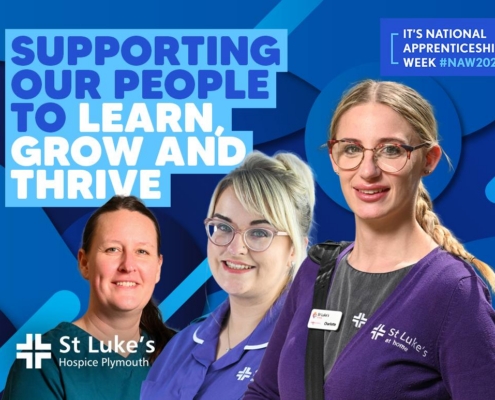 https://www.stlukes-hospice.org.uk/wp-content/uploads/2026/02/Apprenticeship-Week-Trio-Blog-4-2-26.jpg
773
1030
Gabby Nott
https://www.stlukes-hospice.org.uk/wp-content/uploads/2022/12/st-lukes-hospice-plymouth.svg
Gabby Nott2026-02-10 15:00:442026-03-09 12:11:49BLOG: Supporting our people to learn, grow and thrive: National Apprenticeship Week 2026
https://www.stlukes-hospice.org.uk/wp-content/uploads/2026/02/Apprenticeship-Week-Trio-Blog-4-2-26.jpg
773
1030
Gabby Nott
https://www.stlukes-hospice.org.uk/wp-content/uploads/2022/12/st-lukes-hospice-plymouth.svg
Gabby Nott2026-02-10 15:00:442026-03-09 12:11:49BLOG: Supporting our people to learn, grow and thrive: National Apprenticeship Week 2026


 BLOG: Making memories reach new heights